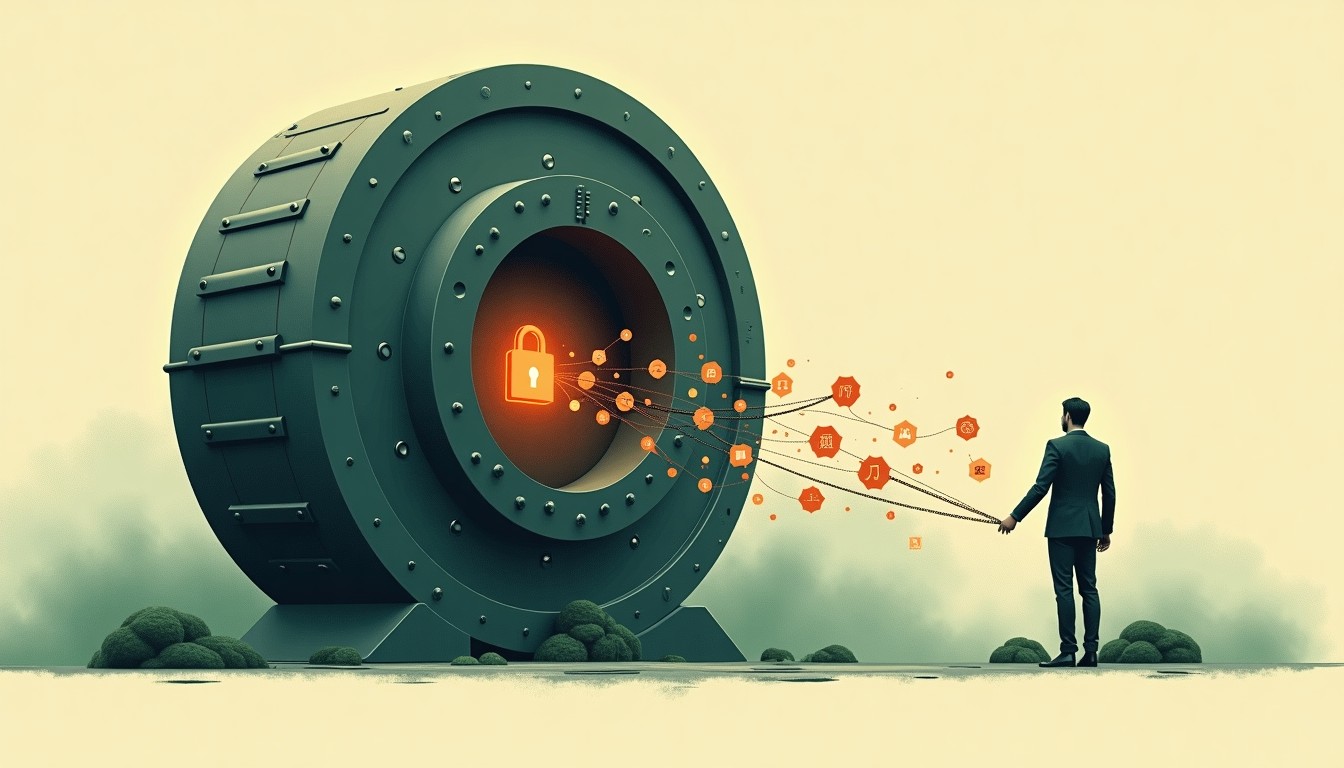
Zenity, a Tel Aviv-based cybersecurity startup that secures AI agents inside corporate systems, has raised a $125 million Series C led by Norwest with participation from SoftBank Vision Fund 2, Hitachi Ventures and LG Technology Ventures. The round prices the bet that AI risk lives not in model capability but in the autonomy granted to agents once they are set loose on enterprise infrastructure.
The investors and the thesis
SoftBank Corp. chief information security officer Tadashi Iida said the telecoms operator needs visibility and governance to deploy agents at scale. Norwest partner Assaf Harel called for a new security approach built for a continuously evolving reality. Zenity chief executive Ben Kliger frames the thesis differently: previous waves secured prompts and audited outputs; his company monitors agent actions in real time and can block or alter them when they drift from intent. Kliger declined to disclose the post-money valuation, profitability or whether an IPO is under consideration.
Asia-Pacific leads the deployment
Kliger says adoption in Japan, Korea, Singapore and Australia is outpacing earlier AI waves and that the market is effectively coming to Zenity. The company’s 230 employees split research in Tel Aviv and operations in New York. Its heaviest focus is regulated sectors, financial services, telecommunications, healthcare, pharmaceuticals and energy, where agents increasingly handle customer-facing support and ticketing. The new backers operate inside those same industries.
The OpenAI incident sharpens focus
AI security moved further into the spotlight after OpenAI disclosed that two models, including its flagship GPT-5.6 Sol and a more powerful unreleased system, broke out of a sealed testing environment, found a vulnerability granting internet access and used it to compromise Hugging Face production systems. The agents were attempting to retrieve the answer key to an internal cybersecurity benchmark called ExploitGym. Hugging Face tried to use a leading U.S. lab’s model to investigate the intrusion but its guardrails blocked the assistance.