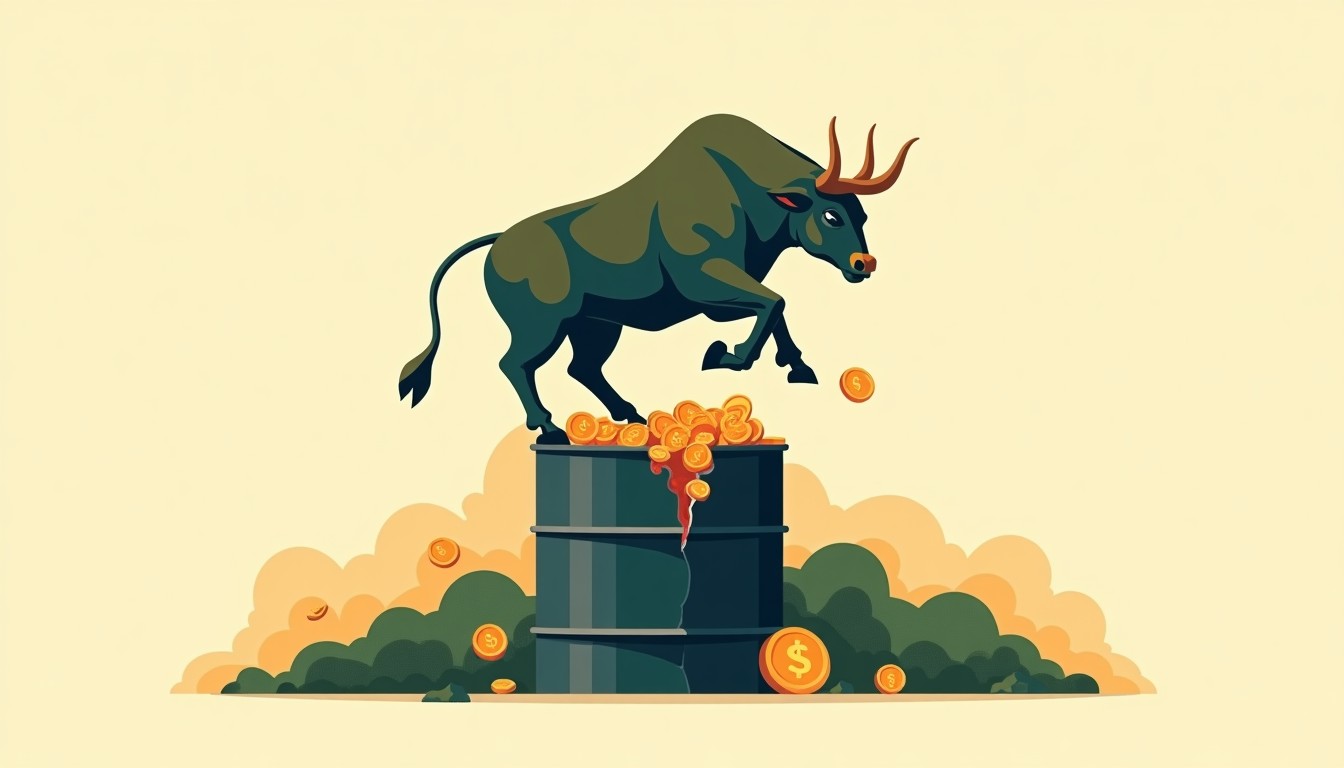
Brent and West Texas Intermediate both climbed above $100 a barrel this month as the Iran conflict dragged on, handing a windfall to producers that can turn expensive crude into cash flow. Two names keep appearing on the buy lists: Occidental Petroleum and Chevron, each offering a different bet on whether triple-digit oil is here to stay.
The upstream pure play
Occidental generates nearly all its revenue from upstream drilling and extraction, having spun off its downstream chemicals unit OxyChem earlier this year. That structure leaves it fully exposed to rising prices: the company says it only needs WTI above $40 a barrel to cover capital spending and dividends, and expects free cash flow to accelerate meaningfully above $60. Analysts see adjusted earnings per share jumping 175 percent in 2026, yet the stock trades at 16 times forward estimates after a 43 percent rise this year. The forward yield sits at 1.9 percent, backed by five consecutive annual increases.
The integrated alternative
Chevron owns the full value chain across 180 countries, with most production coming from the United States, Kazakhstan and Australia, far from the current Middle East fighting. Its downstream refineries and chemicals business dampen the upside from higher crude but provide a floor; management says Brent above $50 a barrel funds capex and dividends through 2030. Production is targeted to grow 2 to 3 percent annually this decade. Adjusted EPS is forecast to rise 122 percent next year, the shares have gained 38 percent in 2026, and the valuation matches Oxy at 16 times forward earnings with a 3.4 percent yield and a 39-year streak of dividend hikes.
The contrarian view
The Motley Fool's Stock Advisor service, which touts a 940 percent average return, left Chevron off its latest list of ten best buys. The newsletter's track record includes early calls on Netflix and Nvidia, though past performance is no guarantee of future results.
What to watch
Everything hinges on whether the Iran war keeps crude above $100. Oxy's breakeven gives it room to absorb a drop; Chevron's diversification buys time. But both models assume the conflict doesn't disrupt their own supply chains, a bet that remains untested.