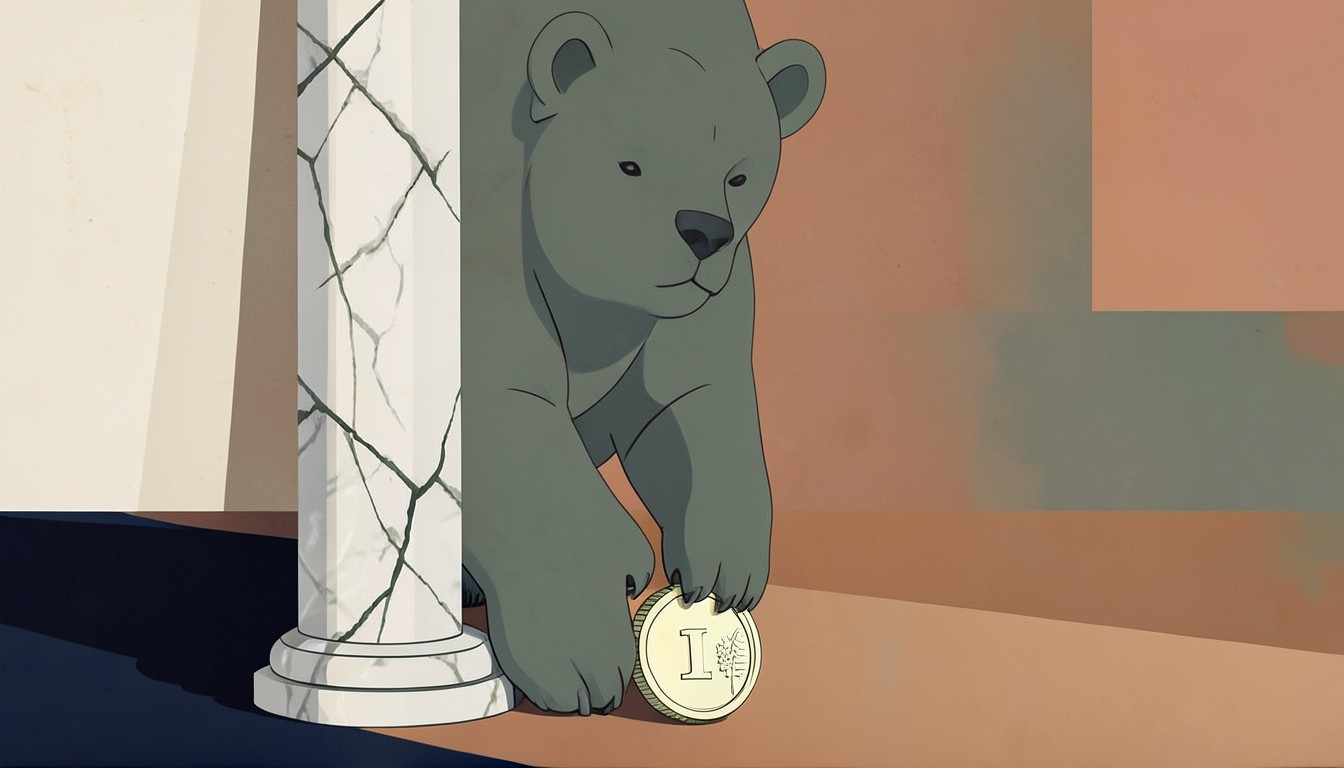
An analysis published Friday argues Tesla shares could fall below $100 if the S&P 500 slides into a bear market, citing a valuation gap that has widened to 12 times the index multiple while earnings have halved over two years.
Valuation gap widens
The S&P 500 trades at a Shiller CAPE ratio of 41.6, its highest level since the dot-com peak in 2000, leaving the index vulnerable to a 20 percent decline that would meet the bear market threshold. Tesla, meanwhile, carries a trailing price-to-earnings ratio of 321 after twelve-month earnings dropped to $1.08 per share. That multiple is 12 times the broader market’s, a disparity the analysis says makes the stock a prime candidate for de-risking when sentiment turns.
Sales recovery comes with margin cost
First-half deliveries rose 16 percent year over year to 838,149 vehicles, but the comparison is flattered by a dismal 2025. The growth has been driven by price cuts that compressed average selling prices and gross margins, a trade-off that boosts volume at the expense of the bottom line. Chinese rivals BYD, Geely and Zeekr now undercut Tesla on sticker price in Europe while matching features, eroding the pricing power that once justified the premium.
The bear market precedent
During the 2022-2023 bear market, Tesla fell 75 percent to $100 and its P/E compressed below 30. A repeat of that compression from today’s levels would imply a 90 percent drop to $35. The author stops short of forecasting that outcome but argues a return to triple digits is well within the range of historical precedent.
Robotaxi and Optimus remain distant
The bull case rests on Cybercab and Optimus, products still years from meaningful volume. Optimus faces supply-chain and engineering hurdles, dexterous hands chief among them, with mass production not expected before 2027. Cybercab’s path hinges on regulatory approval for unsupervised full self-driving, a milestone the company has yet to reach. Ashok Elluswamy, Tesla’s vice president of AI software, said the robotaxi program had completed only about 380,000 miles of unsupervised driving.