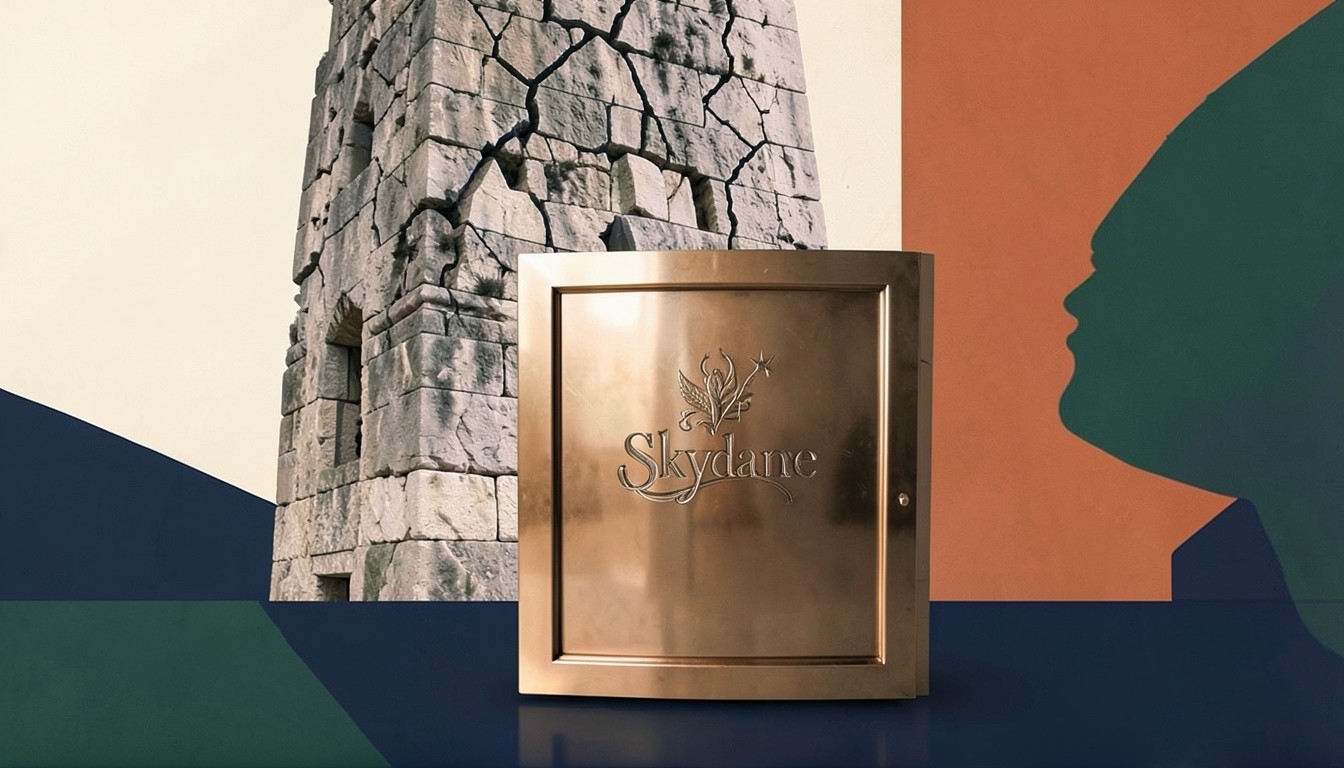
The $110 billion merger between Skydance-Paramount and Warner Bros. Discovery will close on October 6 under the Skydance name, David Ellison said, capping a deal that required a multi-state settlement and a binding theatrical-release mandate.
The name and the rationale
Ellison, chief executive of the combined Skydance-Paramount entity, posted on X that the board chose “Skydance” to give the new company its own identity without diminishing the Paramount or Warner Bros. brands. He framed the decision as a way to keep the legacy studios in the spotlight while the parent operates behind them. The statement treats the branding choice as a strategic gesture; the source offers no evidence that the name affects voting control, tax structure, or debt covenants.
The regulatory clearance
A federal judge this week approved a settlement between Paramount and California plus 11 other states that had sued to block the acquisition. The consent decree requires the combined company to release at least 30 theatrical films per year in each of the first two years, with a five-year minimum-release obligation attached. The states’ leverage came from Paramount’s incorporation and operational footprint; the settlement clears the last major legal obstacle before the October 6 close.
The leadership structure
Ahead of closing, the company appointed Ynon Kreiz, former chairman and chief executive of Mattel, as co-CEO alongside Ellison. The source does not specify how responsibilities will be divided, whether Kreiz receives equity or cash compensation tied to the merger, or what governance protections exist for Warner Bros. Discovery shareholders in the new board.
What the terms don't say
The announcement omits the consideration mix, cash versus stock, for Warner Bros. Discovery holders, the premium to the undisturbed trading price, and any break fee or material adverse change condition. Ellison’s rationale for the Skydance name is presented as a branding preference; no financial or operational justification is disclosed. Until the definitive agreement is filed, the capital structure and leverage profile of the combined entity remain opaque.