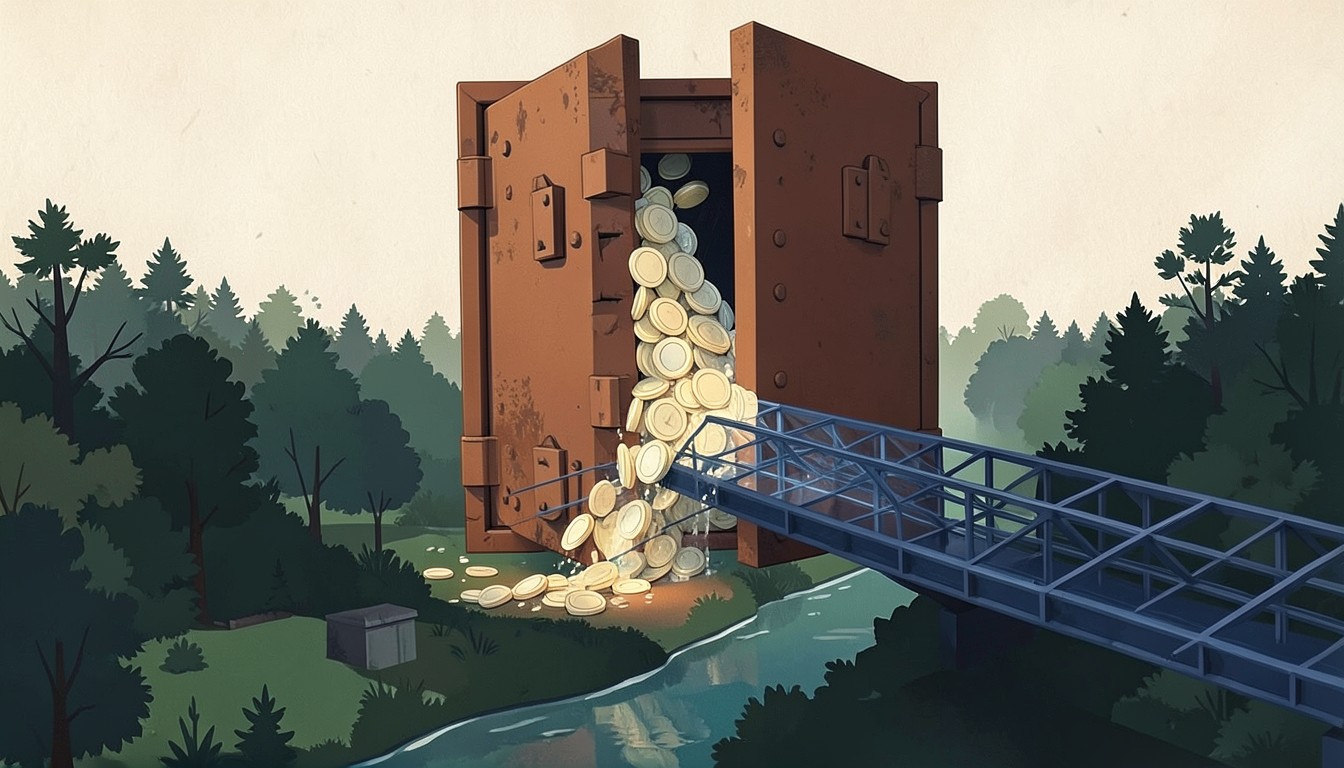
OpenAI said Thursday it will subsidize one billion dollars of access to its Daybreak security program for community banks, water utilities, electric grid operators and other essential-service providers that lack the budgets and expertise of large enterprises. The credits are not cash; they are capacity on a platform that merges OpenAI’s frontier models with Codex, its coding-focused agentic system, to shorten the interval between spotting a vulnerability and shipping a fix.
The program and its terms
Daybreak for Frontline Defenders opens initially in the United States and will expand to partner countries within weeks. Eligibility extends to state and local governments, nonprofits and open-source maintainers alongside the financial and infrastructure targets. Organizations apply through a form on the Daybreak website; the blog post does not disclose a cap per applicant, a sunset date for the credits, or any clawback provisions. OpenAI frames the subsidy as a narrowing “defender’s window”, a period in which AI can close gaps before attackers weaponize the same capabilities at scale.
The defender's window argument
The company’s rationale is that AI-enabled cyber attacks will become far more widespread and sophisticated in the coming months as models around the world grow more capable. Daybreak, which debuted on May 11 and received a tooling expansion in June, is positioned as the countermeasure: it helps teams review legacy code, analyze suspicious activity, validate vulnerabilities, prioritize risks and develop fixes. The post claims thousands of defenders across 2,000 approved organizations and workspaces already use the platform, including cybersecurity firms, defense organizations and law enforcement.
What the subsidy buys OpenAI
One billion dollars in model inference and support costs is a marketing budget disguised as philanthropy. It seeds Daybreak into the very entities, small banks, municipal water systems, that regulators and insurers will scrutinize next time a ransomware event cascades. The consideration is credits, not equity; the premium is goodwill and regulatory capital; the break fee is reputational if the tools fail to stop a breach the marketing said they would prevent.