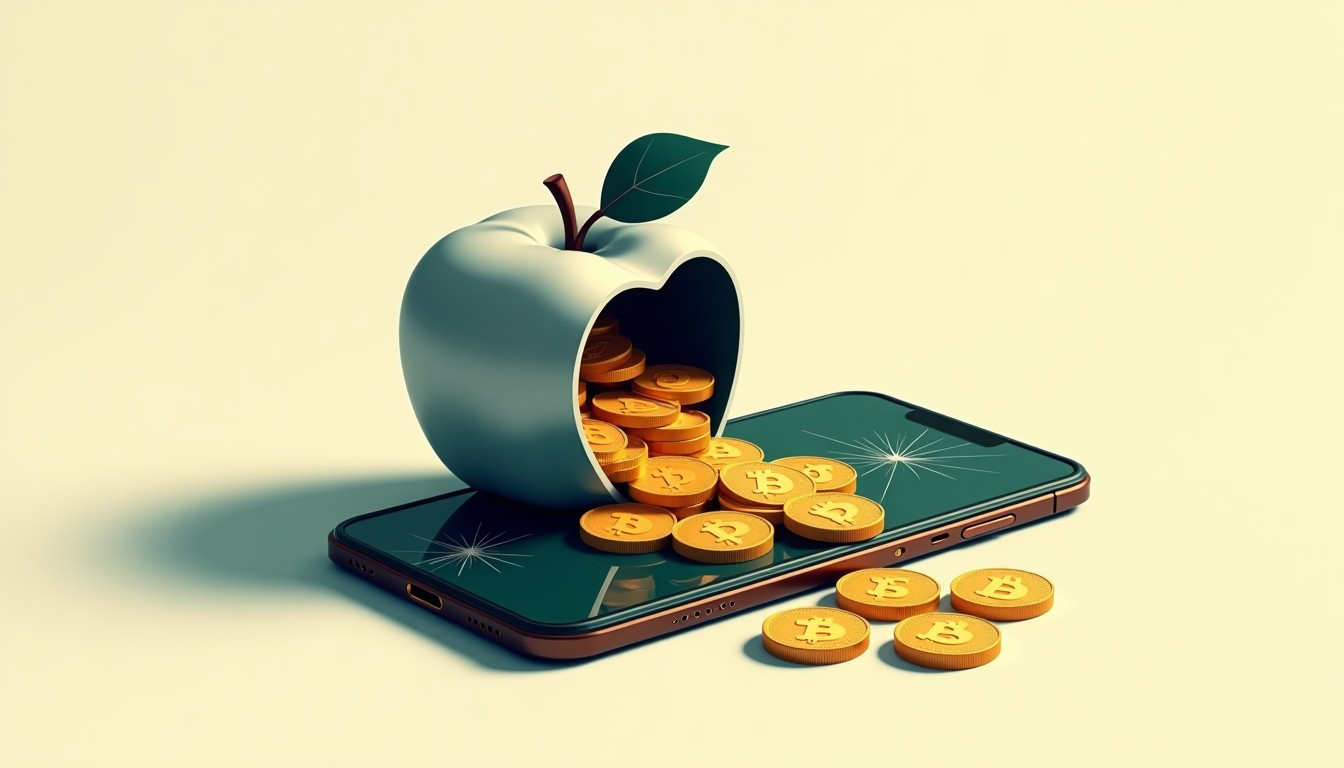
Three investors lost $1.8 million after typing their seed phrases into a counterfeit Sparrow Wallet app they downloaded from Apple’s App Store. The lawsuit, filed Friday in the Northern District of California, argues that Apple’s curated marketplace, marketed as a trusted gatekeeper, failed to catch a fraud that drained Bitcoin from James Ramirez, Christopher Ellis and Jalen Delgado throughout 2025. The case tests whether the 30% commission Apple collects on app revenue buys meaningful security or merely the illusion of it.
The fake app looked real enough
Sparrow Wallet has no official iOS version. It runs on Windows, macOS and Linux, and its developer, Craig Raw, has spent years warning Apple that impostors keep slipping through review. The plaintiffs said they entered their recovery phrases into the lookalike app, handing full control of their wallets to scammers. Ramirez lost roughly $875,000, Ellis about $840,000 and Delgado $120,000. The complaint alleges Apple knew or should have known that fake Bitcoin wallets are a recurring threat, yet its review process let this one reach customers anyway.
Apple says it acted after the fact
Apple told MacRumors it has since removed apps impersonating Sparrow Wallet and terminated the associated developer accounts. The company pointed to its reporting tools for developers and users, and said it takes action against apps that violate guidelines. That response is standard: the fraud is acknowledged only after the money is gone. The App Store’s economics reward volume, more apps, more commissions, while the cost of a missed scam falls on the user who trusted the store’s seal of approval.
The precedent matters more than the payout
Courts have historically given platforms wide latitude under Section 230, but this suit frames Apple’s role as an active curator, not a passive host. If the plaintiffs survive a motion to dismiss, discovery could reveal how many fake wallet apps Apple caught versus how many it missed, and whether review resources scale with App Store revenue. For now, the lesson is expensive and familiar: a seed phrase entered into any app on any phone is a seed phrase surrendered. The App Store’s walled garden has a gate, but no one is checking IDs at the door.