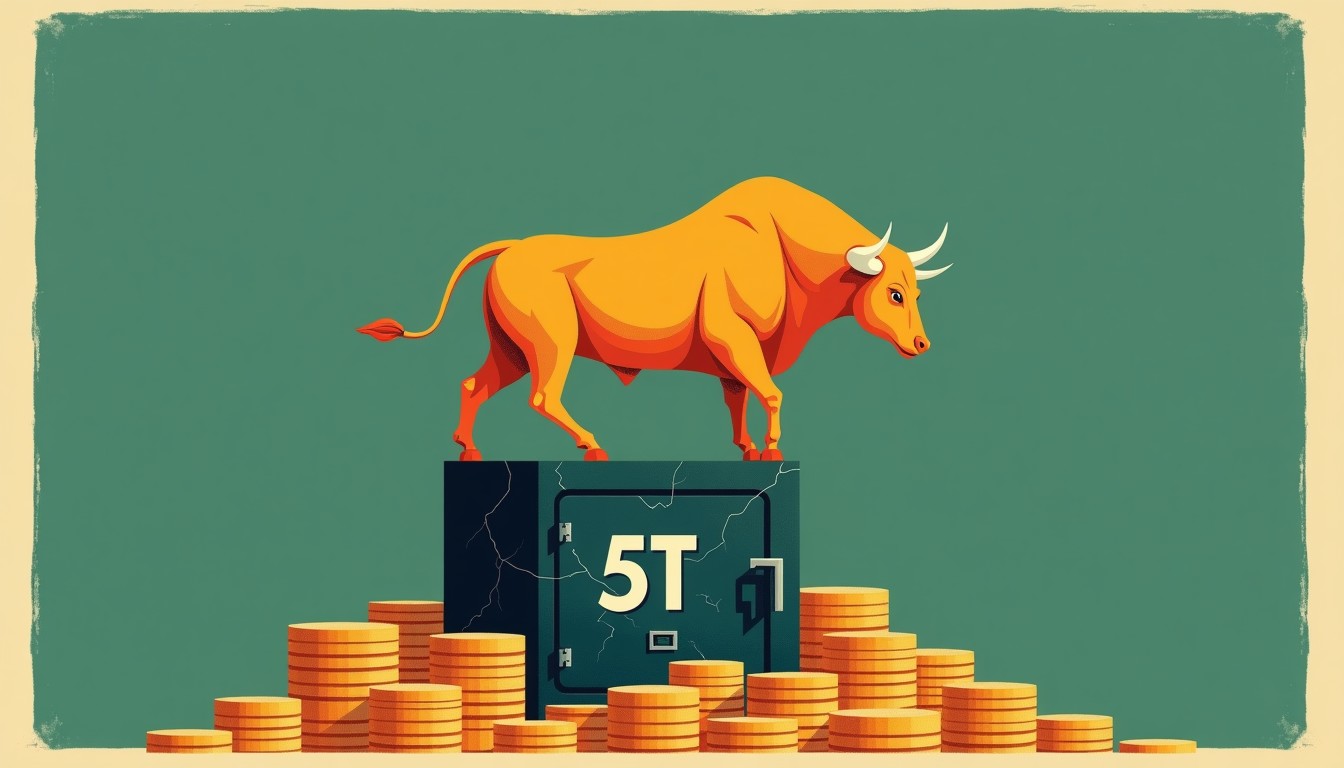
Apple briefly touched a $5 trillion market capitalization on Tuesday, the first company to do so after Nvidia, and did it while spending a fraction of what its hyperscaler peers are burning on artificial intelligence infrastructure. The stock hit an intraday high of $342.89 before closing at $340.08, just shy of the threshold, capping a 25 percent rally this year that has left the rest of the mega-cap cohort behind. Thursday’s earnings call will be Tim Cook’s last as chief executive; John Ternus takes over on September 1.
The spend that wasn’t
While Alphabet, Amazon, Meta and Microsoft are collectively deploying hundreds of billions of dollars in capital expenditures this year to build out AI capacity, Apple has kept its own capex low and is renting cloud infrastructure and AI technology from Google. Last year that restraint looked like a miss, investors worried the company was sitting out the AI boom and delaying the long-promised Siri overhaul. The narrative flipped when the big spenders started piling up debt and running cash-flow negative without a clear line of sight to hefty returns. Apple’s parsimony suddenly looks like discipline.
The lease and the price hike
The rally has persisted even as Apple passes higher memory and storage costs to consumers. Last month the company raised prices on MacBooks and iPads for the first time since Cook said increases had become unavoidable. On Tuesday it launched Upgrade, a U.S. leasing program that lets customers rent iPhones and other devices instead of buying them outright. Both moves shift the balance sheet risk of expensive components onto the customer while keeping the installed base growing, a quiet financial engineering feat masked as a retail convenience.
What to watch Thursday
Nvidia, the first company to breach $5 trillion in October, has gained only 6 percent this year as the market digests the same capex debate from the other side. Apple’s valuation now rests on the bet that owning the consumer relationship and outsourcing the heavy compute is the superior model. Thursday’s call will test whether Cook’s successor inherits a business that can keep expanding margins without ever building a data center of its own.